
How to Read Your Dog’s Body Language in Social Settings
From tail wags to sideways glances, dogs are constantly communicating, and when they’re in social settings like parks, cafés, or group walks, knowing how to read your dog’s body language can make all the difference.

Understanding the signs of comfort, stress, or uncertainty helps you advocate for your dog, avoid unwanted situations, and build positive experiences together.
Here’s what to look out for.
Signs Your Dog Is Relaxed & Happy
When your dog feels calm and confident in a social setting, it usually shows in their body language.
- Loose, wiggly body movements
- Soft eyes and relaxed ears
- Tail wagging in a wide, sweeping motion
- Willingly approaches people or dogs
- Offers gentle sniffing and play bows
These are the green lights: your dog is content, curious, and comfortable.
Signs Your Dog Is Feeling Uncertain
Not every dog is ready to dive into social interactions, and that’s okay. Subtle shifts in body language often reveal discomfort or hesitation.
Watch for:
- Turning their head away or avoiding eye contact
- Yawning or licking lips (even when not tired or hungry)
- Lifting one paw or freezing briefly
- Sniffing the ground in a “distraction” pattern
- Slow tail wags held lower than usual
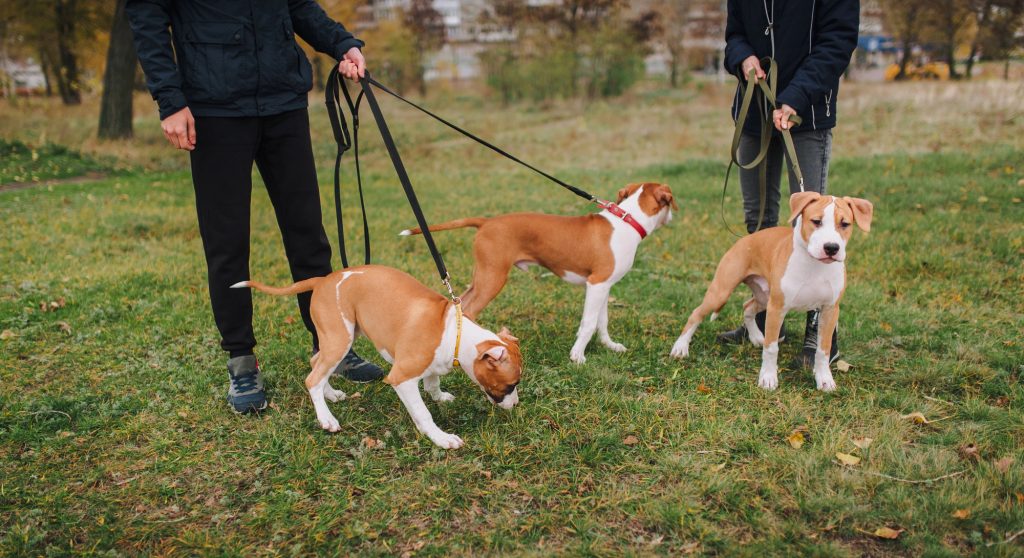
These signs mean your dog might be unsure or overstimulated and could benefit from space or a quiet reset.
Signs Your Dog Is Feeling Stressed or Overwhelmed
If early signs are missed or ignored, stress can escalate. Recognising these behaviours helps you step in early.
- Tucked tail or ears pinned back
- Panting heavily when not hot or active
- Whining, barking, or pacing
- Hiding behind you or pulling to leave
- Growling or snapping if approached too quickly
These are red flags. It’s time to intervene, create distance, and help your dog feel safe again.
What You Can Do to Help
Understanding body language is step one. Step two is responding in a way that builds trust.
- Give your dog space from what’s making them uncomfortable
- Don’t force greetings. Let your dog initiate or opt out
- Bring treats to reward calm behaviour and build positive associations
- Also, observe other dogs’ body language. Some play styles can be too much for quieter pups
- Keep visits short and sweet if your dog is still learning the ropes
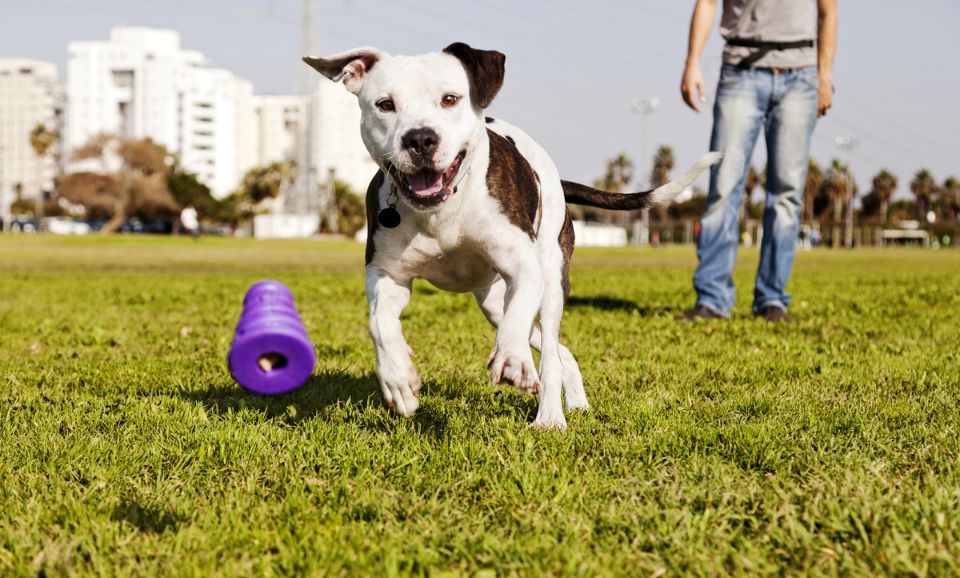
Sometimes, the best social experience is a short one.
Learn Your Dog’s Body Language, Strengthen Your Bond
Every dog is different. Some are social butterflies; others are slow to warm up. Both are valid. By tuning in to your dog’s signals, you’re not just preventing stress or scuffles. You’re showing them that they can count on you to listen.
And that’s where real trust begins.