
When Dogs Need a Break: Recognising Stress Signals Early
Dogs might not use words, but they’re always communicating, and sometimes, what they’re saying is: “I need a break.”
Whether it’s a noisy café, a new routine, or just an overstimulating day, spotting signs of stress early can help your pup feel safe, calm, and cared for.
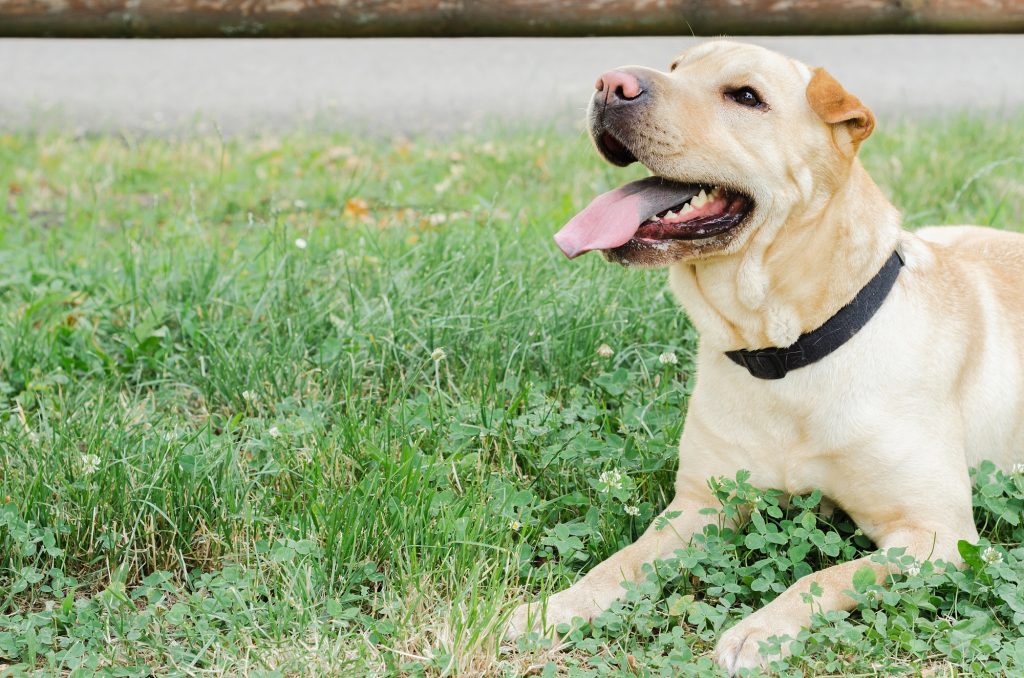
Here’s how to recognise when your dogs need a break, and what you can do to help.
Subtle Signs Can Say a Lot
Stress in dogs doesn’t always look dramatic. Often, it’s the small behaviours that tell you something’s off.
Look for:
- Excessive yawning (even when they’re not tired)
- Lip licking or drooling without food nearby
- Turning their head away or avoiding eye contact
- Sudden scratching or sniffing (called “displacement behaviours”)
- Pacing or restlessness
These are signs your dog might be overwhelmed and trying to self-soothe.
More Obvious Signals to Watch For
If stress builds, dogs may begin to show clearer signs that they’re not coping.
- Tucked tail or cowering
- Panting when not hot or exercising
- Whining, barking, or hiding
- Refusing treats or turning away from food
- Shaking off as if wet (a reset signal)

These are your cues to step in and create space, distance, or comfort.
Triggers That Can Catch Us Off Guard
Stress isn’t always caused by something “bad.” Sometimes it’s just too much at once.
Common triggers include:
- Loud noises or unfamiliar places
- Crowds or high-energy environments
- Being approached too quickly by strangers or other dogs
- Changes to routine (e.g., moving house, new baby, travel)
Even a well-socialised dog can feel overwhelmed at the wrong moment. And that’s OK.
What to Do When You Notice the Signs
When your dog shows signs of stress, the best thing you can do is help them feel safe again.
Try:
- Creating space or stepping away from the trigger
- Offering quiet reassurance or retreating to a calm area
- Letting them rest in a familiar, low-stimulation space
- Avoiding forced interaction, especially with new people or dogs
- Giving them time, routine, and positive reinforcement
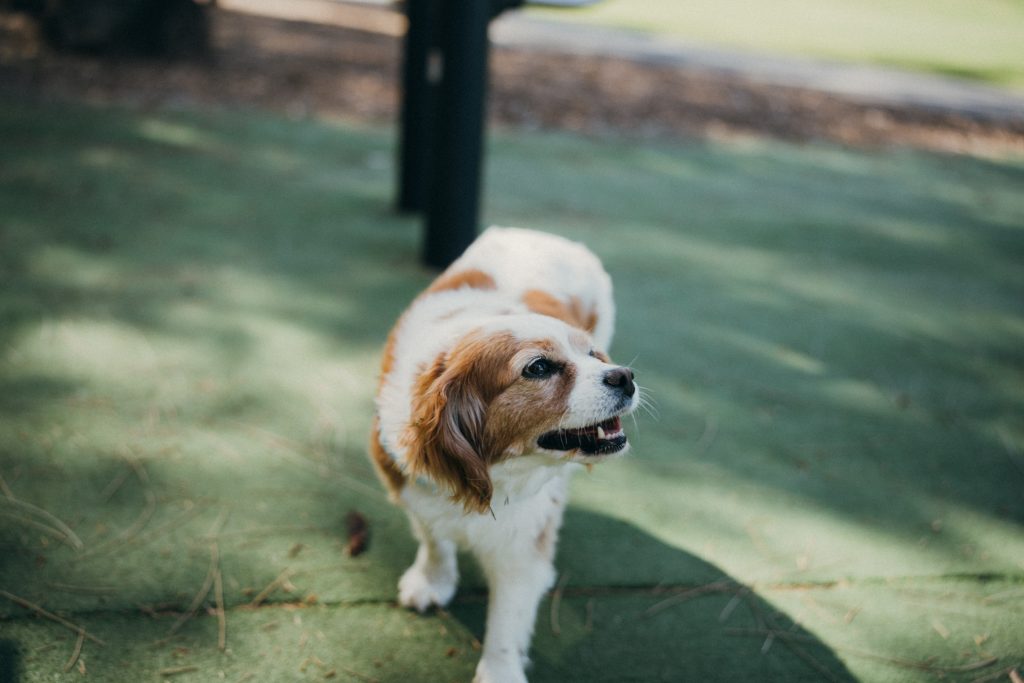
Sometimes, the kindest thing is to press pause and let them reset.
Prevention Starts with Understanding
Every dog is different; what’s exciting for one might be overwhelming for another. Learning your dog’s body language builds trust and helps prevent meltdowns before they happen.
- Watch for patterns
- Honour their limits
- Celebrate calm moments just as much as playtime
The goal? A dog that feels safe, seen, and supported.
Calm Dogs, Happy Humans
Stress isn’t a sign of failure. It’s just a signal. And when you listen early, you help your dog feel more confident, more relaxed, and more connected to you.
Not every moment needs to be exciting. Some just need to feel safe.