
When Treats Create Pressure Instead of Positive Experiences
Treats are one of the most powerful tools in dog training. They help build trust, reinforce good behaviour, and create positive associations.
But sometimes, without realising it, treats can do the opposite—adding pressure instead of building confidence.
If your dog seems hesitant, overwhelmed, or uninterested in food in certain situations, it might be time to rethink how you use treats.
When Treats Stop Working
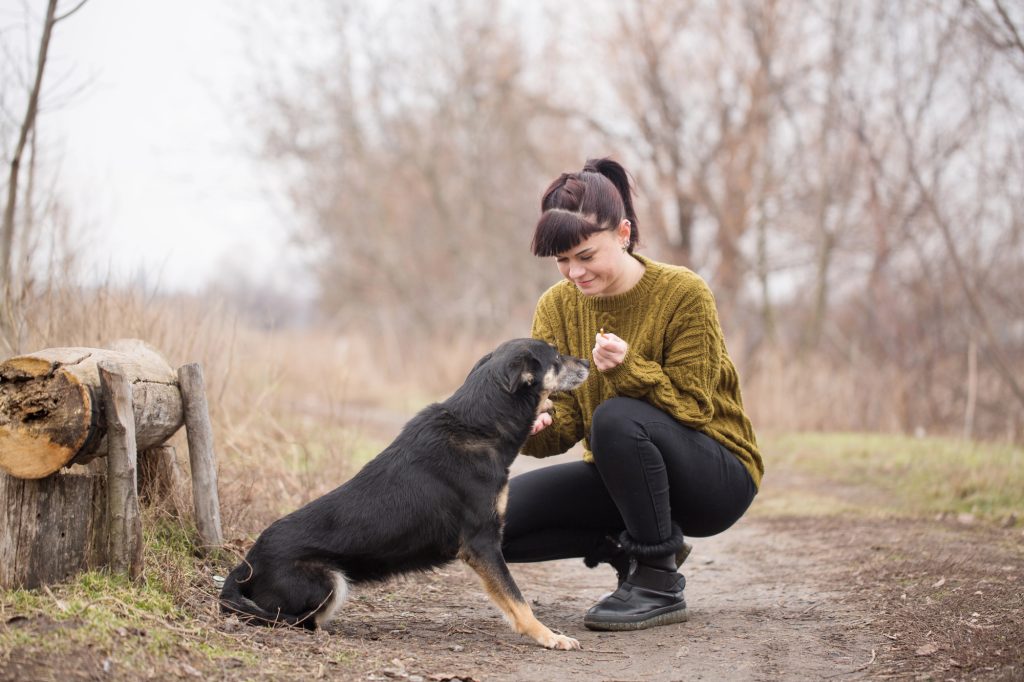
Treats usually mean something good. But in stressful or overstimulating environments, your dog may:
- Refuse food altogether
- Take treats roughly or spit them out
- Seems distracted or unable to focus
- Only take treats once removed from the situation
This isn’t stubbornness—it’s a sign your dog may be over threshold.
What Does “Over Threshold” Mean?
When a dog is “over threshold”, they’re too stressed, excited, or overwhelmed to process information properly.
In this state:
- Learning slows down or stops
- Treats lose their value
- Behaviour becomes reactive or unpredictable
Even the tastiest snack won’t compete with a nervous or overstimulated mind.
How Treats Can Accidentally Add Pressure
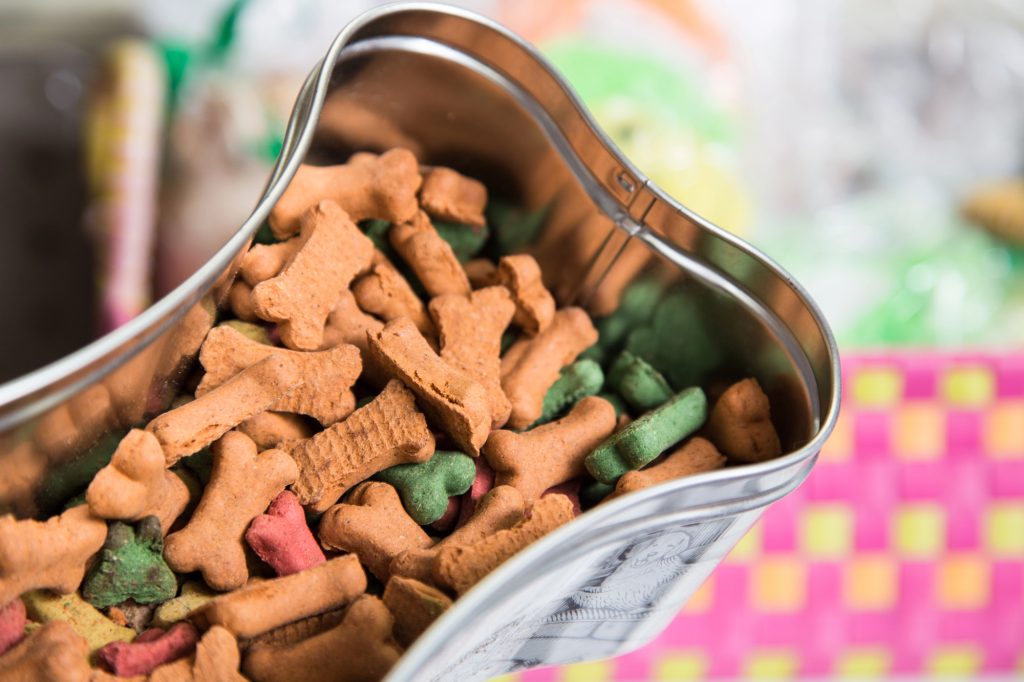
Sometimes, the way we use treats can unintentionally create stress.
- Luring too much: Constantly using treats to guide movement can make dogs feel pressured
- Rewarding in the wrong moment: Offering treats when a dog is unsure can reinforce discomfort
- Pushing interaction: Using treats to encourage greetings or proximity before your dog is ready
- Expecting performance: Treats tied too closely to obedience can feel like “pressure to get it right”
The result? Your dog may start associating treats with expectation instead of safety.
What to Do Instead
Treats should support your dog—not push them.
Lower the Pressure
If your dog won’t take food, step back. Create distance from whatever is causing stress and allow them to reset.
Let Them Choose
Give your dog the option to approach or engage. Confidence grows when dogs feel in control.
Reward Calm, Not Just Action
Notice and reward small signs of relaxation:
- A soft body
- Choosing to look away instead of react
- Settling beside you
These moments matter just as much as commands.
Use the Right Treat, at the Right Time
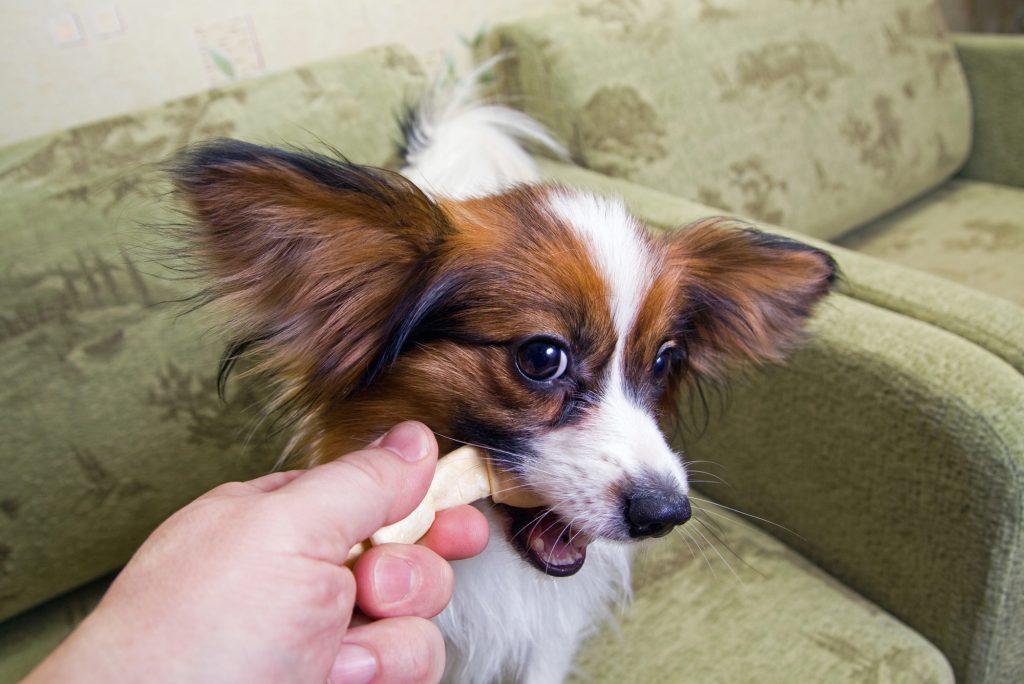
Not all treats—or situations—are equal.
- Use high-value treats for challenging environments
- Save lower-value treats for easy, familiar settings
- Deliver treats calmly, without rushing or crowding your dog
Timing and tone make all the difference.
It’s Not About the Treat—It’s About the Feeling
Treats should create positive, pressure-free experiences. When used thoughtfully, they help your dog feel safe, supported, and understood.
If something doesn’t feel right, pause, reset, and meet your dog where they are. Because confidence isn’t built with pressure—it’s built with trust.