
The Teenage Dog Phase: What Changes & How to Support Them
Just when you thought you had training sorted, your sweet puppy starts ignoring cues, testing boundaries, and acting… well, a bit rebellious.
Welcome to the teenage dog phase.
It’s a completely normal stage of development, but it can feel confusing (and sometimes frustrating). The good news? With the right approach, you can guide your dog through it with confidence.
What Is the “Teenage Phase”?
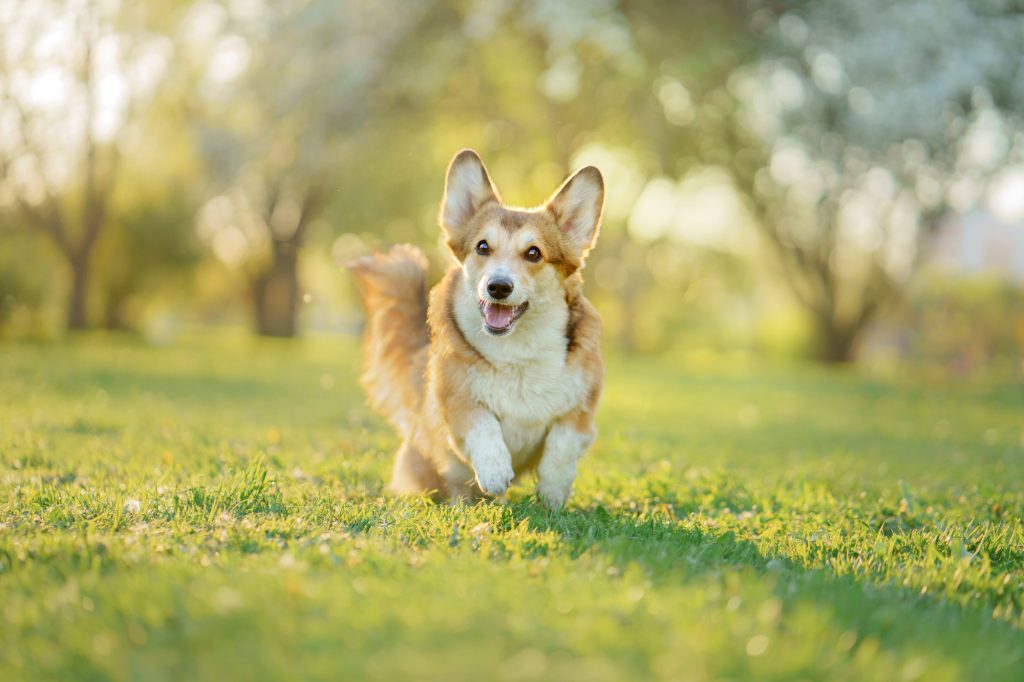
The teenage phase typically happens between 6 and 18 months, depending on your dog’s breed and size.
During this time, your dog is:
- Experiencing hormonal changes
- Becoming more independent
- Testing boundaries and behaviours
- Developing their adult personality
In short, they’re figuring out how the world works—and where they fit in it.
Common Behaviour Changes You Might Notice
You’re not imagining things—dogs really can “forget” their training during this stage.
You might see:
- Ignoring commands they previously followed
- Increased energy or restlessness
- Jumping, pulling, or overexcitement
- Selective listening (especially outdoors)
- Chewing or destructive behaviour
It’s not defiance—it’s development.
Why This Phase Matters
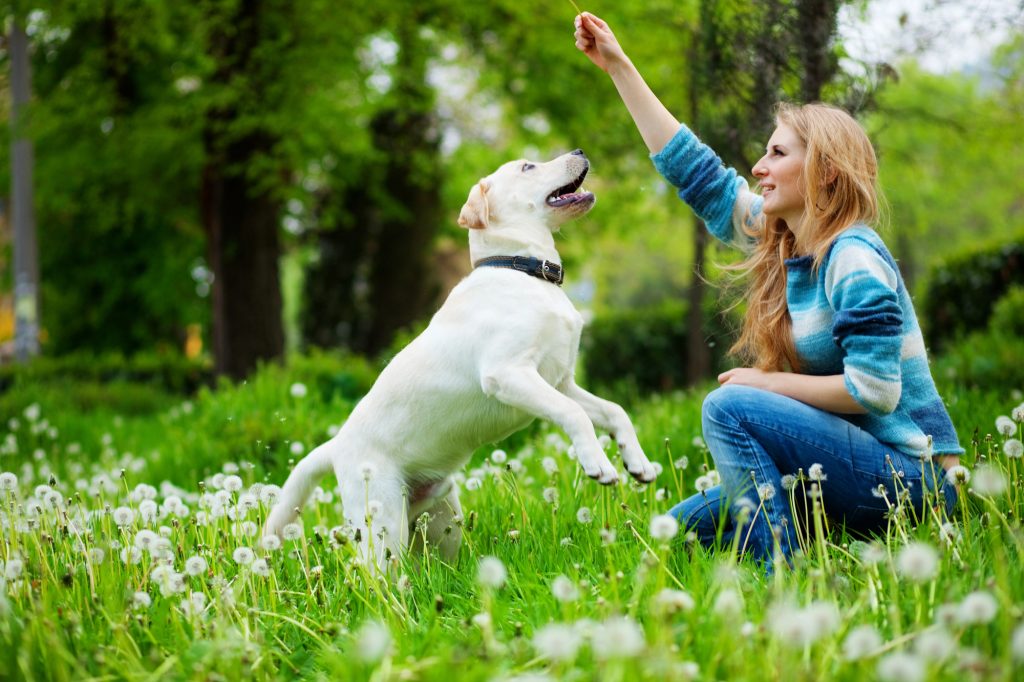
This stage is critical for shaping your dog’s long-term behaviour.
- Habits formed now often carry into adulthood
- Positive experiences build confidence
- Consistency helps reduce confusion and anxiety
Think of it as a second training window—just with a bit more attitude.
How to Support Your Teenage Dog
The key is patience, structure, and understanding.
Keep Training Consistent
Go back to basics if needed. Reinforce cues like sit, stay, and recall in low-distraction environments before building back up.
Manage Their Energy
Teen dogs often have bursts of energy. Make sure they get:
- Daily exercise suited to their breed
- Mental stimulation (puzzle toys, training games)
- Structured playtime
A tired dog is usually a calmer dog.
Set Clear Boundaries

Be consistent with rules at home:
- Don’t allow behaviours “sometimes”
- Keep expectations clear and predictable
- Reinforce good behaviour immediately
Mixed signals can lead to confusion.
Social Experiences Still Matter
Teenage dogs are still learning how to interact with the world.
- Continue safe, positive socialisation
- Avoid overwhelming environments
- Watch their body language and step in when needed
Confidence grows through calm, controlled exposure—not chaos.
Stay Calm (Even When They’re Not)
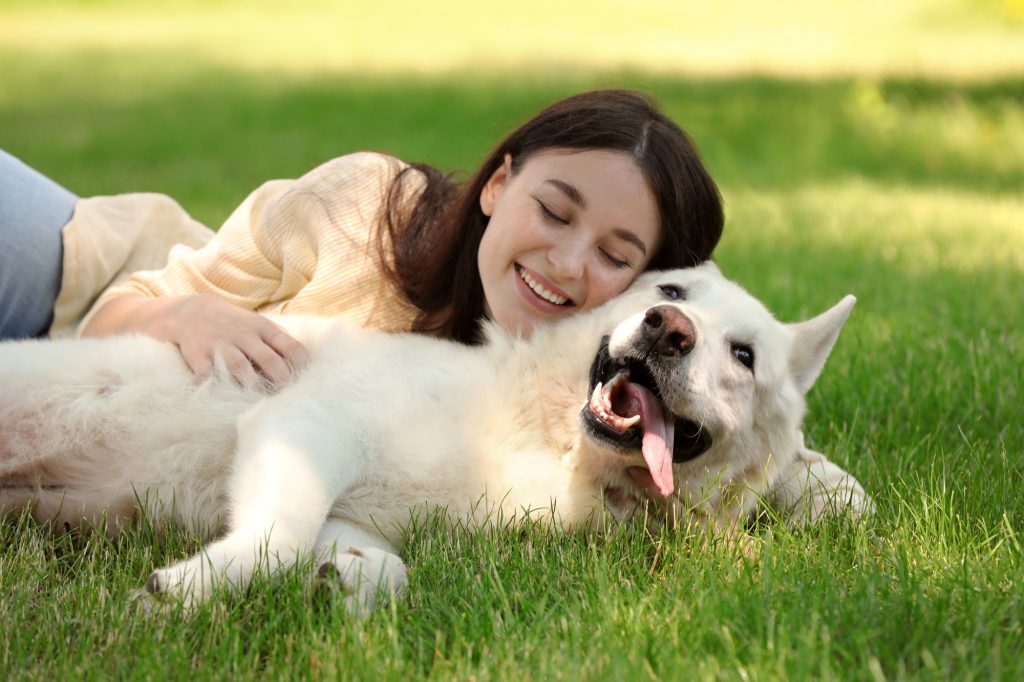
Your dog will take cues from you. Staying calm helps them regulate their own behaviour.
- Avoid punishment or harsh corrections
- Redirect unwanted behaviour instead
- Reward what you want to see more of
Progress may feel slow—but it adds up.
It’s a Phase—Not Forever
The teenage stage can be challenging, but it’s temporary. With consistency, patience, and a bit of humour, your dog will come out the other side more balanced, confident, and connected to you.
Stick with them—they’re still learning who they are.