
Understanding Dog Play Styles: Why Not All Dogs Play the Same
If you’ve ever watched a group of dogs together, you’ve probably noticed that they don’t all play in the same way. Some love to chase, others enjoy wrestling, while some are perfectly happy watching from a distance before joining in.
Just because two dogs are friendly doesn’t mean they’ll enjoy playing together. Understanding different dog play styles helps create safer, happier experiences for everyone involved.

Here’s what every dog parent should know.
Every Dog Has Their Own Play Style
Just like people, dogs have different personalities—and those personalities often shape how they like to play.
Some dogs enjoy:
- Chasing and being chased
- Gentle wrestling and rolling around
- Playing fetch together
- Exploring side by side without much physical contact
None of these styles are better than the others. They’re simply different ways dogs enjoy interacting.
Good Play Is Balanced
Healthy play isn’t about one dog being in charge all the time. Instead, it’s a back-and-forth conversation.
Look for signs such as:
- Taking turns chasing each other
- Regular pauses to reset
- Play bows inviting more interaction
- Loose, relaxed body language
- Both dogs choosing to re-engage after a break
When both dogs are enjoying themselves, play tends to look balanced rather than one-sided.
Not Every Dog Enjoys Rough Play
Some dogs naturally love energetic wrestling, while others find it overwhelming.
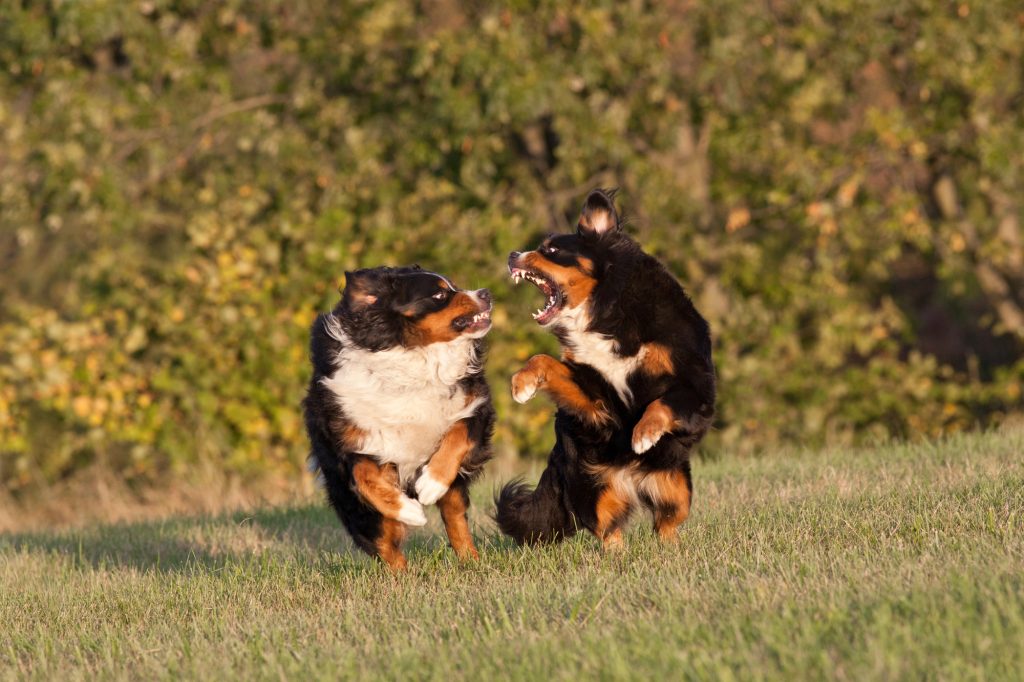
A dog may choose to:
- Step away from play
- Pause and observe
- Stay close to their owner
- Interact briefly before taking a break
These choices should be respected. Giving dogs the freedom to opt out helps build confidence and prevents unnecessary stress.
Learn When Play Is Becoming Too Much
Excitement can sometimes build faster than dogs can manage.
Signs it may be time for a break include:
- One dog repeatedly trying to walk away
- Body language becoming stiff or tense
- Mounting or persistent chasing
- Ignoring calming signals
- Barking becoming more intense or frantic
Stepping in early helps everyone return to calm before play becomes overwhelming.
Matching the Right Dogs Matters
Successful play isn’t just about age or size.
Dogs often enjoy themselves more when they’re matched with companions who have similar:
- Energy levels
- Confidence
- Play preferences
- Communication styles
A gentle, thoughtful dog may be happiest with another calm companion, while energetic dogs often enjoy others who share their enthusiasm.
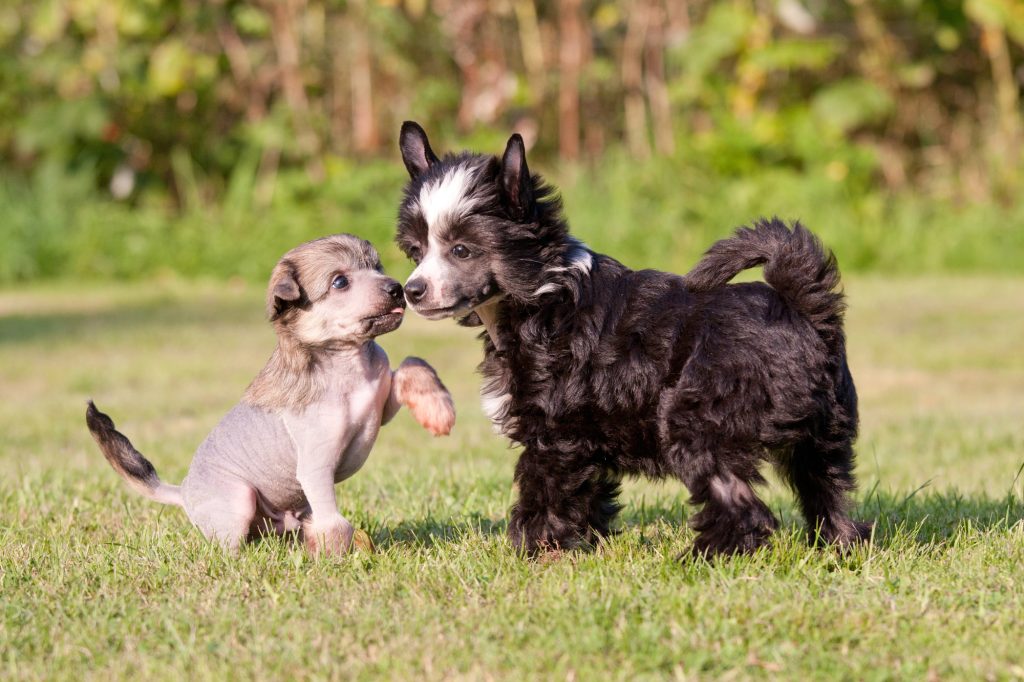
Finding the right match creates more positive experiences than simply bringing dogs together.
Great Play Leaves Everyone Feeling Good
Play should leave dogs feeling happy, confident, and ready for the next adventure—not exhausted or overwhelmed.
By understanding your dog’s unique play style and recognising what they enjoy, you can help create positive social experiences that build confidence and strengthen trust.
Because the best play isn’t about playing the longest—it’s about making sure every dog enjoys the experience.