
How Often Should Dogs Socialise? Finding the Right Balance
Socialisation is an important part of a dog’s life—but more isn’t always better. While positive social experiences can help dogs build confidence and learn valuable life skills, every dog has their own social needs.
Some dogs enjoy meeting new friends every day, while others are happiest with a familiar routine and a few trusted companions.
So, how often should dogs socialise? The answer depends on the individual dog.
There Isn’t a One-Size-Fits-All Answer
Every dog is different, and their ideal level of social interaction depends on factors such as:
- Age and life stage
- Breed and temperament
- Previous experiences
- Energy levels
- Overall health
A young, outgoing Labrador may enjoy regular group activities, while an older rescue dog might prefer quieter outings with familiar faces.
The goal isn’t to maximise social interactions—it’s to make them meaningful.
Quality Always Beats Quantity
A single positive experience is far more valuable than several overwhelming ones.
Healthy social experiences might include:
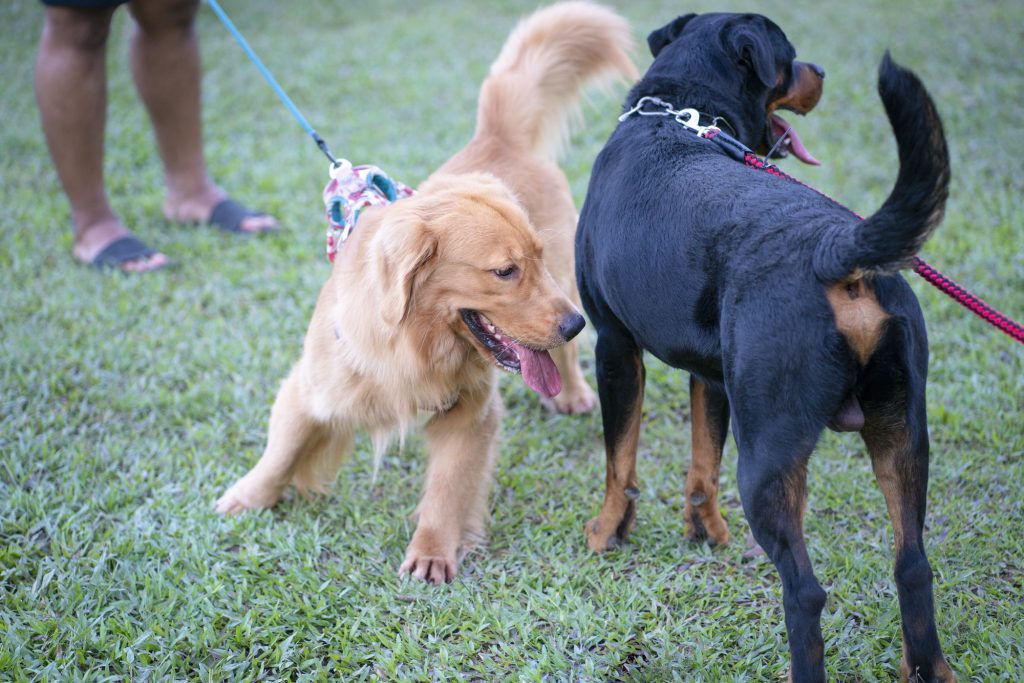
- A relaxed walk with another friendly dog
- Visiting a quiet dog-friendly café
- Exploring a new park together
- Spending time around people without feeling pressured to interact
Giving your dog time to observe, explore, and make choices helps build genuine confidence.
Watch Your Dog, Not the Calendar
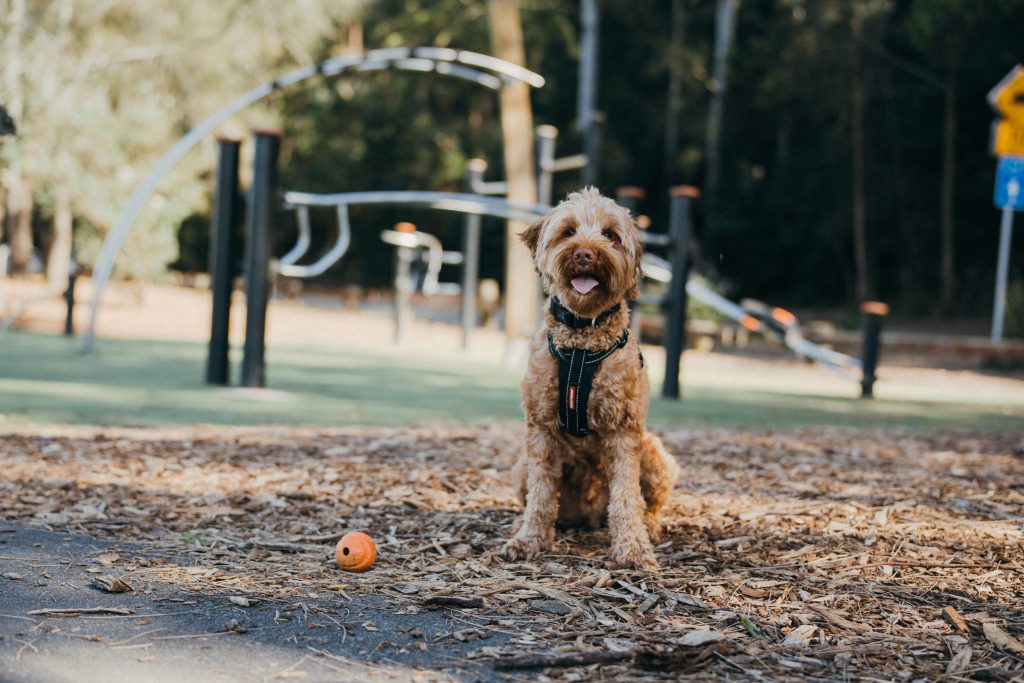
Rather than following a schedule, pay attention to how your dog responds after social outings.
Signs they’ve enjoyed the experience include:
- Relaxed body language
- Calm behaviour afterwards
- Willingness to explore
- Interest in treats or play
If your dog comes home exhausted, restless, or unusually withdrawn, they may have had more stimulation than they could comfortably process.
Every outing provides valuable feedback.
Remember That Rest Is Important Too
Just like people, dogs need downtime to recover from busy days.
Quiet time allows them to:
- Process new experiences
- Recharge mentally and physically
- Feel settled and secure
- Prevent overstimulation
Building rest into your dog’s routine is just as important as planning social activities.
Socialisation Changes Throughout Life

Your dog’s social needs won’t stay the same forever.
- Puppies benefit from gentle exposure to new people, places, sounds, and friendly dogs.
- Teenage dogs often need continued guidance as they navigate new emotions and increased independence.
- Adult dogs usually thrive with regular, positive interactions that suit their personality.
- Senior dogs may prefer slower outings and familiar companions over busy environments.
Adjusting your expectations as your dog grows helps keep social experiences enjoyable.
The Right Balance Is the One That Works for Your Dog
Successful socialisation isn’t measured by how many dogs your pup meets or how often they visit busy places. It’s about helping them feel safe, confident, and comfortable in the world around them.
Some dogs thrive with frequent adventures. Others are happiest with quieter routines and a small circle of trusted friends.
When you focus on your dog’s individual needs instead of comparing them to others, you’re giving them the best opportunity to enjoy every social experience.