
Common Dog Social Myths (And What Actually Helps)
When it comes to dog socialisation, there’s a lot of advice out there—and not all of it is helpful. In fact, some common beliefs can actually lead to stressful or overwhelming experiences for dogs.
Let’s clear things up. Here are a few of the most common social myths—and what actually supports your dog instead.
Myth 1: “All Dogs Should Love Other Dogs”

It sounds nice—but it’s not realistic.
- Some dogs are naturally social
- Others prefer smaller circles or human company
- Many are selective (just like us)
What helps: Respect your dog’s preferences. Social success isn’t about loving every dog—it’s about feeling safe and comfortable.
Myth 2: “More Exposure = Better Socialisation”
Flooding your dog with busy parks, crowded cafés, or constant interactions can backfire.
- Too much too soon can overwhelm
- Negative experiences can stick
- Stress builds when there’s no time to process
What helps: Focus on quality over quantity. Calm, positive experiences in controlled environments are far more effective.
Myth 3: “Dogs Should Always Greet on Lead”
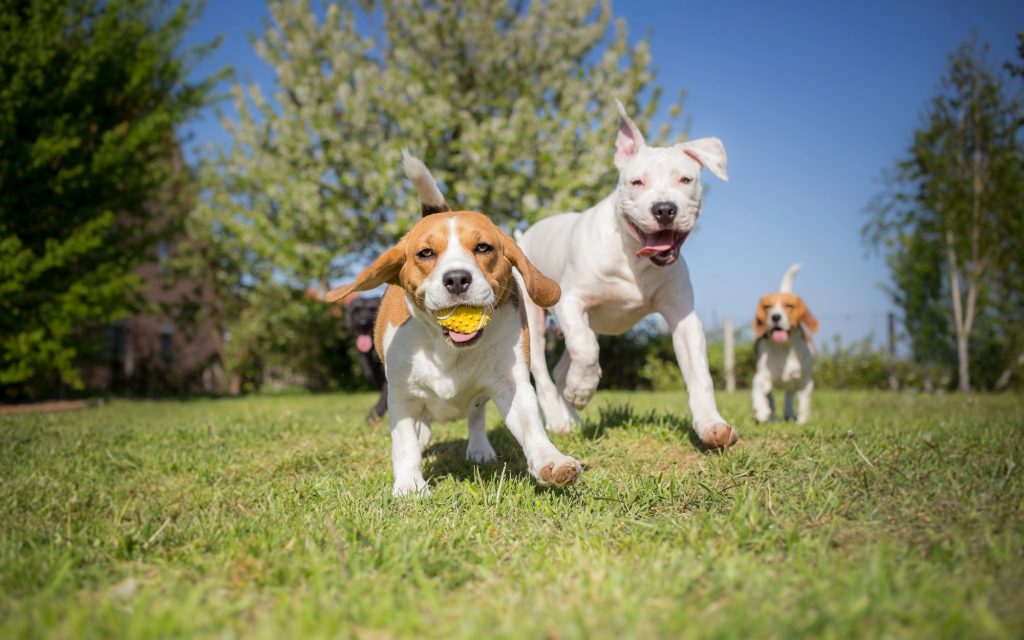
On-lead greetings can be tricky.
- Leads restrict movement and choice
- Dogs can’t create space if uncomfortable
- Tension on the lead can transfer to the dog
What helps: Allow space. Skip greetings when needed and prioritise calm passing instead.
Myth 4: “A Wagging Tail Means a Happy Dog”
Not always.
- Tail position and movement matter
- High, stiff wags can signal tension
- Fast, low wags may indicate uncertainty
What helps: Look at the whole body—ears, posture, movement—not just the tail.
Myth 5: “They’ll Work It Out Themselves”

Letting dogs “figure it out” can sometimes lead to poor experiences.
- Miscommunication can escalate
- Not all dogs have good social skills
- Some need support and guidance
What helps: Step in when needed. Create space, guide interactions, and advocate for your dog.
Myth 6: “Socialisation Stops After Puppyhood”
Social learning doesn’t end at 16 weeks.
- Dogs continue learning throughout life
- Teen and adult dogs still need positive exposure
- Confidence can grow (or decline) over time
What helps: Keep social experiences ongoing—at a pace that suits your dog.
What Actually Matters
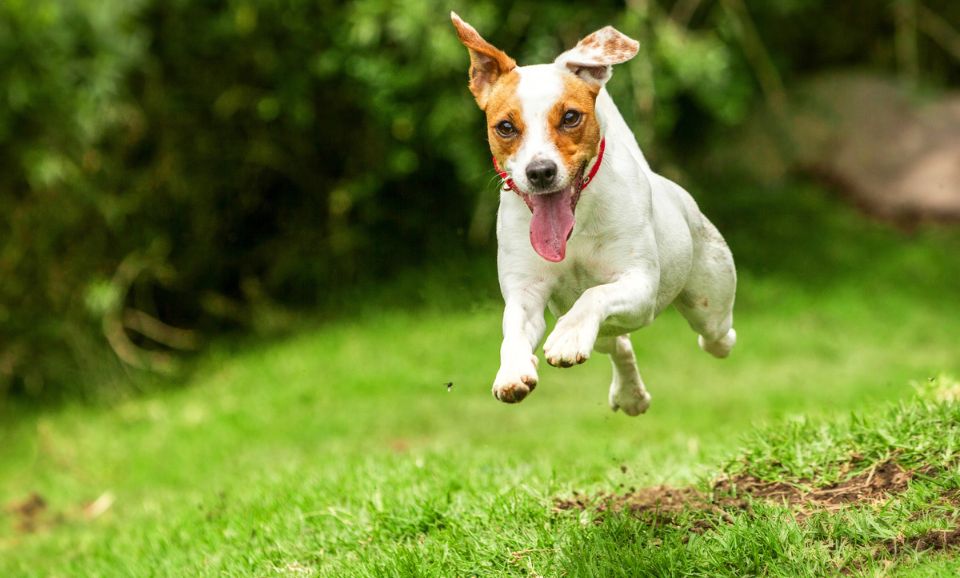
Good social experiences aren’t about how many dogs your pup meets—they’re about how those interactions feel.
When you focus on calm, choice, and understanding, your dog learns that the world is a safe place to explore.
Because confident dogs aren’t forced—they’re supported.