
How Dogs Communicate Boundaries With Each Other
Dogs don’t need words to set boundaries. They’re constantly communicating through body language, movement, and subtle signals.
The challenge? Humans don’t always notice these cues until things escalate.
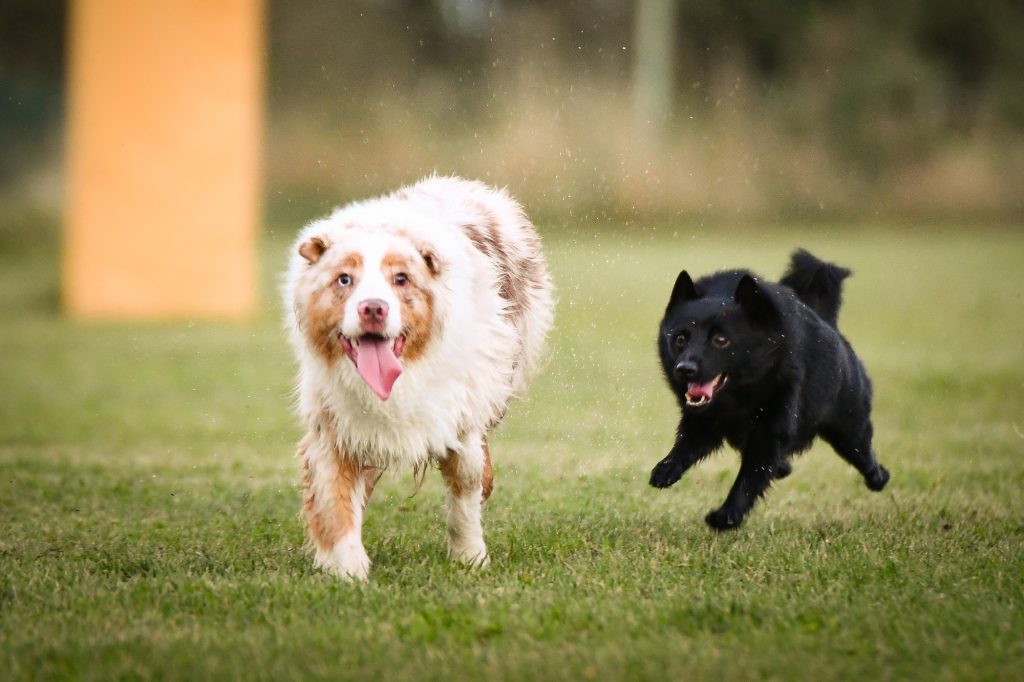
By learning how dogs naturally say “that’s enough,” you can better support safe, respectful interactions—whether at the park, a café, or during playtime.
It Starts with Subtle Signals
Most dogs don’t jump straight to growling or snapping. They start with quiet, polite communication.
Look for:
- Turning their head away
- Avoiding eye contact
- Walking away or creating distance
- Slowing down or pausing during play
- Sniffing the ground as a “break” signal
These are early ways of saying: “I’m not comfortable” or “I need a moment.”
Body Language Gets Clearer If Ignored
If those subtle signals aren’t respected, dogs may escalate to more obvious cues.
- Stiffening their body
- Freezing in place
- Ears pinned back or forward in tension
- Tail held high and still (or tightly tucked)
- A hard stare or closed mouth
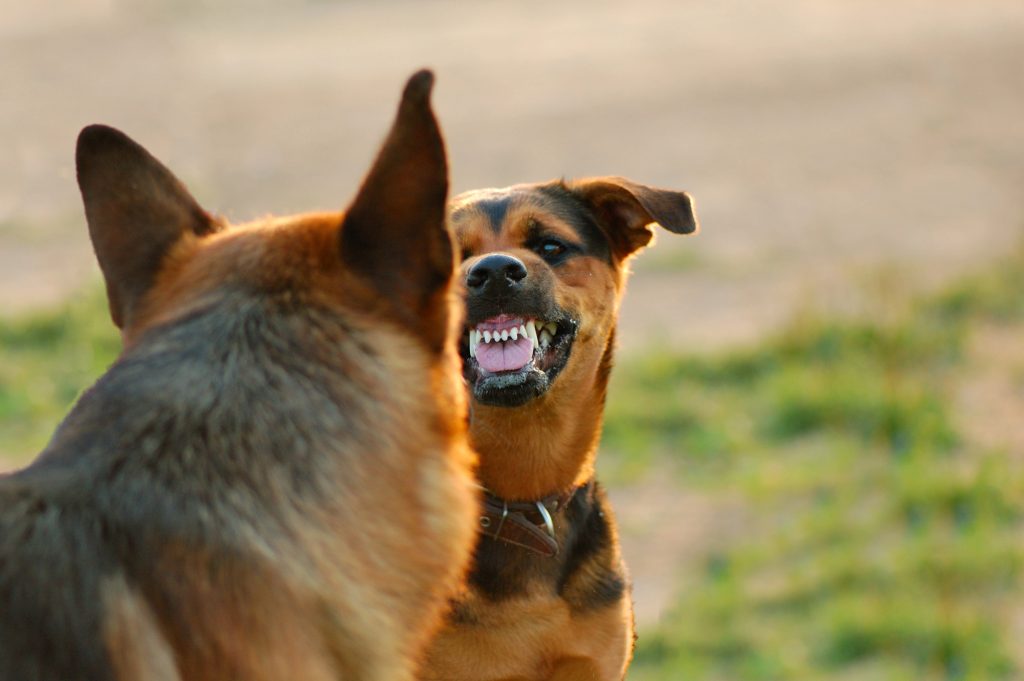
At this stage, your dog is no longer asking—they’re telling.
Vocal Signals Are a Last Step
Growling often gets misunderstood—but it’s actually an important form of communication.
- A low growl = “Please stop”
- A bark or snap = “I really mean it”
These signals don’t mean a dog is “bad”—they mean earlier cues were missed. Punishing these can remove warning signs, making future interactions less predictable.
Healthy Play Includes Boundaries
Even during fun, dogs are constantly setting limits.
- Play bows signal friendly intent
- Pauses help regulate energy
- Dogs take turns chasing or being chased
- One dog may step away—and the other respects it
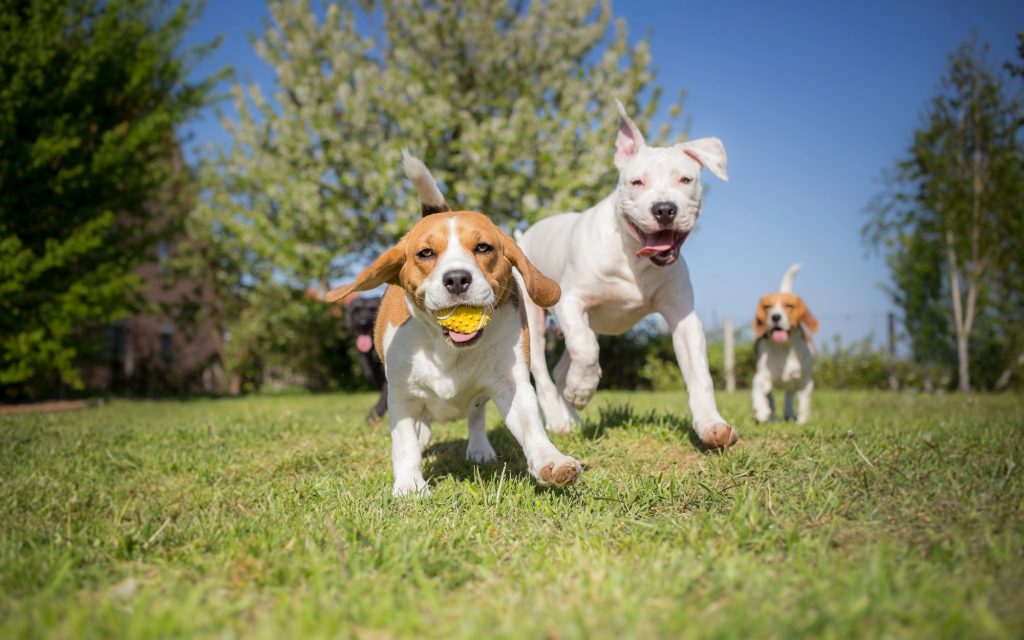
Good play isn’t non-stop—it’s balanced and responsive.
How You Can Support Better Interactions
Understanding boundaries is one thing, supporting them is another.
- Step in early if you see subtle stress signals
- Give your dog space instead of encouraging interaction
- Avoid forcing greetings between unfamiliar dogs
- Watch both dogs—not just your own
Sometimes, the best thing you can do is simply create distance.
Boundaries Build Trust
Dogs communicate clearly. We just need to learn their language. When boundaries are respected, dogs feel safer, interactions stay positive, and trust grows between dogs and with you.
Because good communication isn’t loud. It’s understood.