
How to Help Shy or Nervous Dogs Build Confidence
Not every dog is a social butterfly and that’s perfectly okay. Some pups are naturally more cautious, sensitive, or slow to warm up. But with the right support, even the shyest dogs build confidence, can learn to feel safe, confident, and comfortable in the world around them.
Here’s how to gently help your dog build confidence at their own pace.
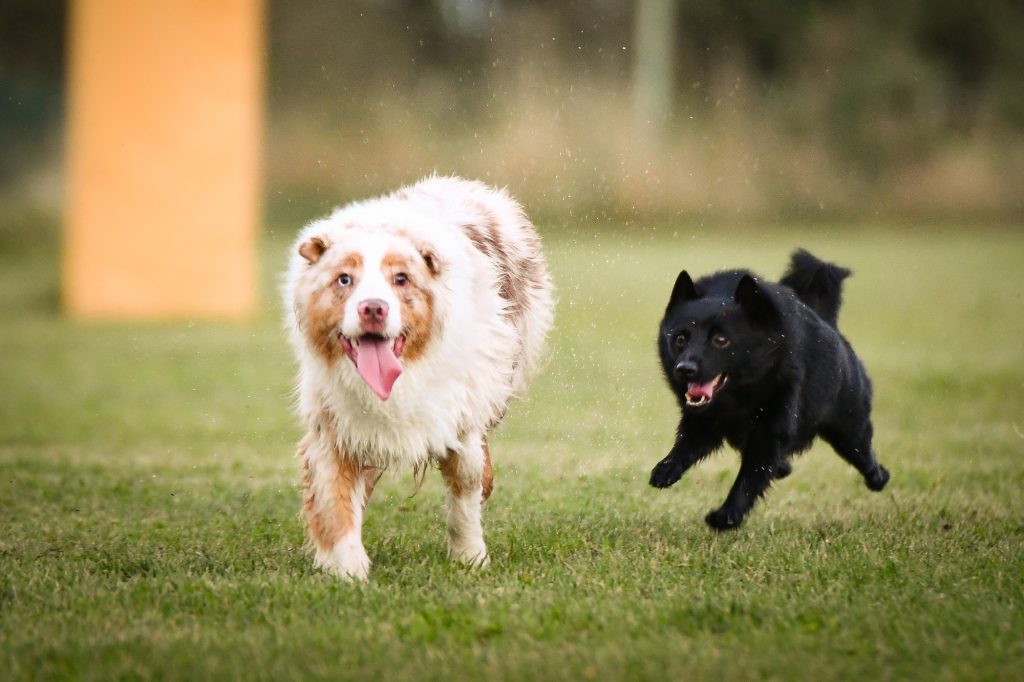
Start with a Safe, Familiar Base
cConfidence begins at home. Before introducing new environments, make sure your dog feels secure in their everyday space.
- Create a quiet area where they can retreat and relax
- Stick to a consistent routine for meals, walks, and rest
- Avoid overwhelming them with too many new experiences at once
When dogs feel safe, they’re more open to exploring.
Take Small, Positive Steps
Confidence isn’t built overnight—it grows through small, successful experiences.
- Start with quiet walks in low-traffic areas
- Gradually introduce new sights, sounds, and smells
- Let your dog observe from a distance before engaging
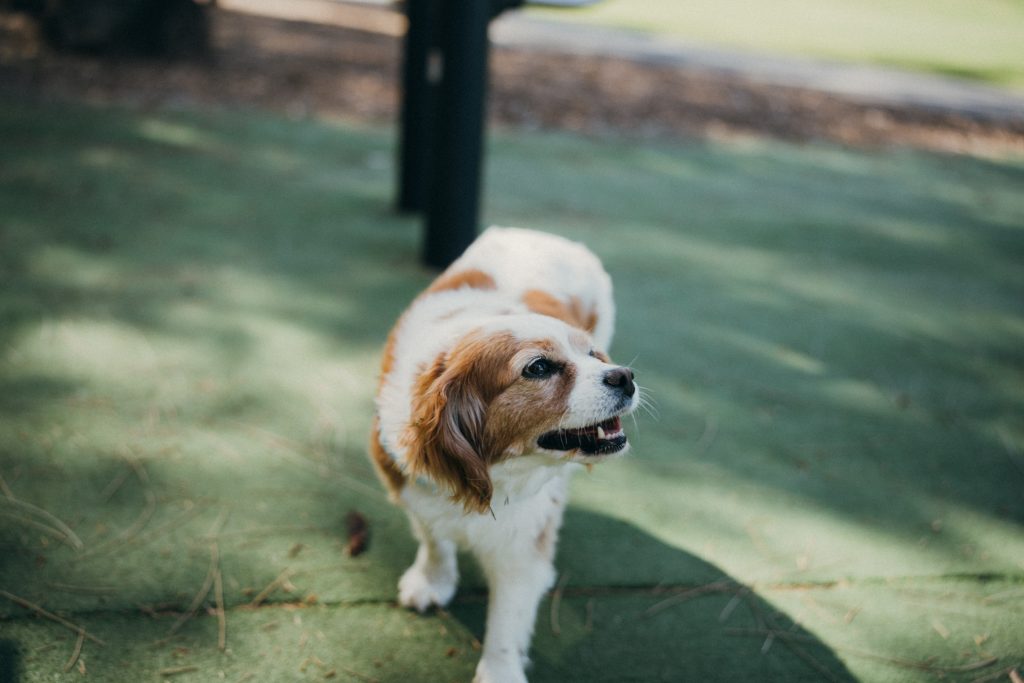
Think of it as building a comfort zone that slowly expands over time.
Let Them Set the Pace
It can be tempting to encourage your dog to “just say hello”—but forcing interaction often does more harm than good.
- Allow your dog to approach people or dogs on their own terms
- Respect their signals if they choose to step back
- Avoid crowded or high-energy environments too early
Confidence comes from choice, not pressure.
Use Positive Reinforcement
Rewarding calm, curious behaviour helps your dog associate new experiences with good things.
- Offer treats when they stay relaxed in a new setting
- Use a calm, reassuring tone
- Celebrate small wins—like walking past another dog without fear
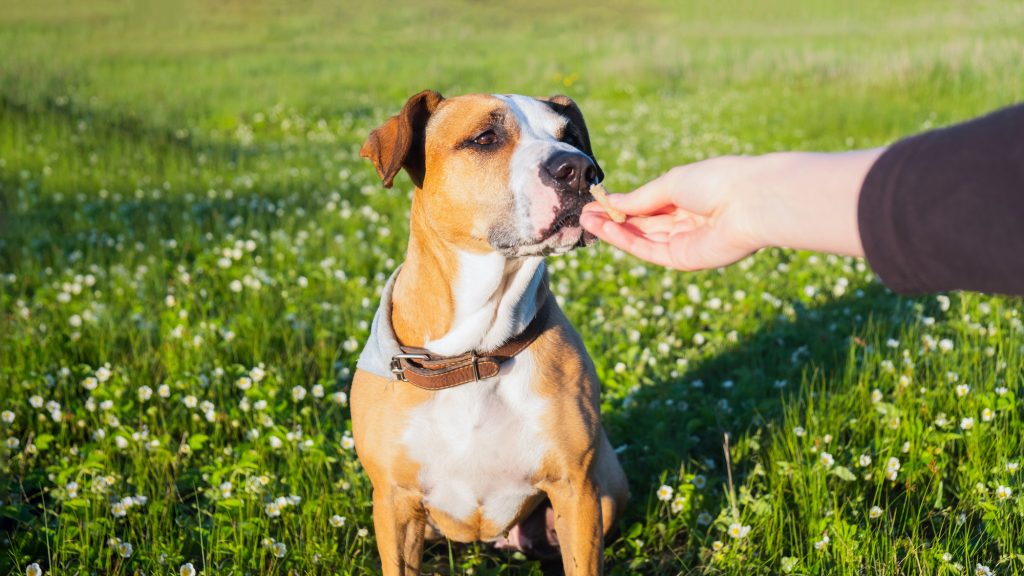
Over time, these positive associations build trust and resilience.
Watch Their Body Language
Understanding your dog’s signals helps you support them before stress builds.
Signs of progress:
- Relaxed body and soft eye contact
- Curious sniffing or gentle exploration
- Willingness to take treats
Signs they need space:
- Tail tucked, ears back
- Lip licking or yawning
- Freezing, hiding, or pulling away
Listening to these cues shows your dog you’ve got their back.
Consider Gentle Social Exposure
Once your dog is more comfortable, slowly introduce positive social experiences.
- One calm, friendly dog instead of a large group
- Quiet cafés or open spaces during off-peak times
- Short visits that end on a good note

The goal is quality, not quantity.
How Dogs Build Confidence Takes Time—and That’s Okay
Every dog is different. Some will take days, others weeks or months—and all of that is normal. What matters most is building trust, one step at a time.
A confident dog isn’t fearless. They just know they’re safe with you.